
Not All “Stable” Patients are Safe: How Nurses Prioritize in Real Time
Everything Looks Fine, Until It Isn’t
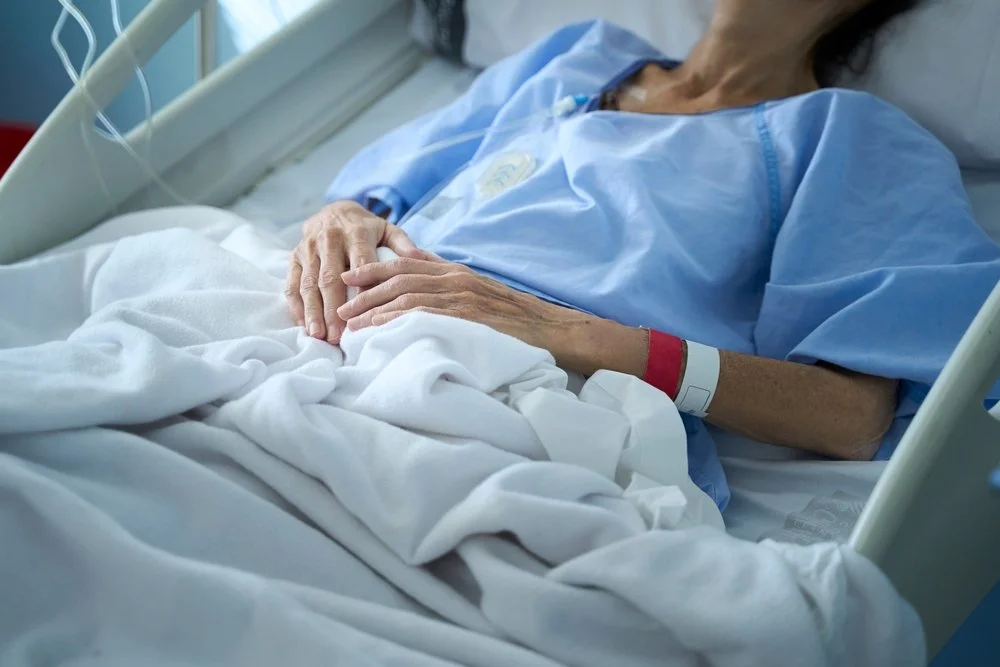
You walk into your shift, get your assignment, and at first glance, nothing seems alarming. Vitals are within normal limits, no one is actively crashing, and everything appears manageable on paper. But if you have been at the bedside long enough, you know that feeling that something is off can show up even when the numbers look fine. That is because “stable” does not always mean safe. In real clinical practice, prioritization is not about reacting to what is obvious. It is about anticipating what could happen next, often before it fully reveals itself.
Why “Stable” Can Be Misleading
Vital signs give you a snapshot of the moment, but they do not always tell the full story. Patients can compensate for a long time before they suddenly cannot, and by the time those numbers change, the situation may already be escalating. New nurses often lean heavily on vitals because that is what they were taught to trust, but experienced nurses know that normal values do not always equal stability. A patient can be early septic, quietly hypoxic, internally bleeding, or beginning to decline neurologically while still appearing “stable.” The key is understanding that stability is not just about what is happening right now, but about where the patient is headed.
What Experienced Nurses Are Actually Looking For
When experienced nurses walk into a room, they are not simply collecting data; they are interpreting it. They are paying attention to patterns, subtle changes, and anything that does not quite match the expected clinical picture. They are asking themselves whether the patient looks different from earlier, whether the symptoms align with the diagnosis, and whether there are any signs that the patient could deteriorate if nothing is done. Sometimes it is something as subtle as increased fatigue, a slight change in mental status, or a shift in breathing pattern that has not yet affected oxygen saturation. Other times, it is a patient saying, “I just don’t feel right,” which is often more meaningful than any single vital sign. These moments matter because deterioration rarely starts with alarms. It usually starts quietly.

The Shift from Task-Based to Risk-Based Thinking
In school, prioritization often feels structured and predictable. You complete tasks, administer medications, and follow the plan of care step by step. But in real practice, multiple demands arise at once, and you cannot do everything at once. This is where the shift happens. Instead of asking what needs to be done next, you start asking who cannot wait. Task-based thinking focuses on completing responsibilities in order, while risk-based thinking focuses on the potential consequences of delay. A nurse thinking in tasks might say, “I need to pass medications for room two,” while a nurse thinking in risk might pause and consider, “If I delay seeing room four, what could happen?” That difference is what drives safe prioritization, because not all tasks carry the same weight, and not all delays carry the same risk.
Red Flags You Cannot Ignore
There are certain changes that should immediately raise your level of concern, even if everything else appears stable. An acute change in mental status, especially in an elderly patient, can signal serious underlying issues such as infection or early sepsis. Restlessness or unexplained anxiety may be an early sign of hypoxia or clinical deterioration. A patient who suddenly “looks different,” even if you cannot fully explain why, deserves a closer assessment. Complaints that do not align with the documented diagnosis, or subtle increases in work of breathing despite normal oxygen saturation, should not be dismissed. These are often the early warning signs that something is evolving beneath the surface, and recognizing them early can make all the difference in patient outcomes.
How to Start Building This Skill
Developing this level of clinical thinking takes time, but it is absolutely something that can be learned and strengthened. It starts with asking better questions, shifting from “Who is next?” to “Who is most at risk if I delay care?” It involves paying attention to trends rather than isolated data points, and giving yourself permission to slow down your thinking, even in fast-paced environments. Reflection is also a powerful tool. After your shift, take a moment to think about what you noticed, what you might have missed, and how you would approach a similar situation next time. Over time, exposure to different scenarios builds pattern recognition, which is what allows experienced nurses to anticipate changes before they become obvious. This is also why scenario-based learning can be so valuable, because it helps bridge the gap between knowledge and real-world application.
Conclusion: It Is Not About Speed. It Is About Consequences
Prioritization is often misunderstood as the ability to move quickly, but speed alone does not improve outcomes. What truly matters is understanding the potential consequences of your decisions. Strong nurses are not those who simply get everything done the fastest, but those who recognize risk, anticipate change, and intervene at the right time. They understand that one delayed assessment or missed subtle change can carry more weight than multiple completed tasks. If you are still learning how to think this way, you are exactly where you are supposed to be. This is not about memorization. It is about developing clinical judgment, and that is built one patient, one shift, and one decision at a time.
Continue Building Your Clinical Confidence
If you are ready to feel more confident in moments like this, this is exactly what we work through inside The Nurse Rooted Co. mentorship.
You do not need more information. You need to learn how to think.
Explore mentorship and resources at: https://nurserootedco.com
Follow along for weekly clinical breakdowns: @thenurserootedco on Facebook & Instagram.
Disclaimer:
The content provided by The Nurse Rooted Co. is intended for educational and informational purposes only. It is not a substitute for professional medical advice, clinical judgment, nursing supervision, or legal consultation. All users are responsible for ensuring that any actions taken based on this content are within their legal scope of practice and in compliance with the policies and procedures of their employer, state board of nursing, and applicable laws. The Nurse Rooted Co. does not provide medical care, legal services, or employment supervision. Use of this content does not establish a nurse-client or mentor-client relationship unless explicitly agreed upon through a signed mentorship agreement.
